Song story
Mrs. Robinson by Simon & Garfunkel
Mrs. Robinson is a 1968 song by Simon & Garfunkel, from the album Bookends. Here are 12 checked facts about it, the same ones your Stationz DJ can tell before the song plays. Every fact comes from the sources listed at the end of the page.
Part of the story of Simon & Garfunkel · Researched by Stationz.fm
The facts behind Mrs. Robinson
Origin
Paul Simon had been crafting a tune called Mrs. Roosevelt, filling the gaps with any three-syllable name. When director Mike Nichols needed a song for The Graduate, Art Garfunkel suggested Mrs. Robinson to match the film's character, and Nichols instantly froze it for the movie.
The story
Paul Simon originally pitched Punky's Dilemma and Overs for The Graduate, but Mike Nichols was not taken with either. Simon and Garfunkel took a quick break, returned with unfinished fragments of Mrs. Robinson, and Nichols fell in love with it on the spot.
In the studio
When pitching the early track to director Mike Nichols, Paul Simon had not completed the verses yet. They simply sang dee de dee dee de dee dee dee, but Nichols was completely ecstatic and loved it anyway.
The people
When Columbia Records suggested writing for The Graduate, Paul Simon resisted because he felt movies were akin to selling out. He changed his mind after being impressed by director Mike Nichols' wit and reading the film script.
The lyrics
Paul Simon wrote the phrase coo-coo-ca-choo into the lyrics as a direct homage to the Beatles' song I Am the Walrus.
The lyrics
Even though Paul Simon was a Mickey Mantle fan, he left Mantle out of the famous baseball verse. When asked on The Dick Cavett Show why Mantle was skipped, Simon explained it simply came down to the number of beats and syllables.
The story
Meeting Simon in a restaurant, Joe DiMaggio pointed out that he was still around doing commercials and asked why the song claimed he had gone. Simon assured him the line was not literal, but a tribute to him as a true American hero.
In the studio
Engineers completed the final recording at Columbia Studio A in New York on February 2, 1968. For the promo mix, they added a louder and punchier bass drum specifically to accommodate the limited dynamic range of AM radio.
Milestone
Mrs. Robinson hit number one on the Billboard Hot 100, becoming the duo's second chart-topper. In 1969, it made music history as the very first rock song to win the Grammy Award for Record of the Year.
Legacy
Beyond Simon and Garfunkel's original, the song has enjoyed a diverse second life through cover versions by legendary crooner Frank Sinatra, alternative rock band the Lemonheads, and Bon Jovi.
Legacy
After Joe DiMaggio died in 1999, headlines echoed the song's famous lyric by reporting that Joltin' Joe had left and gone away. Paul Simon soon honored him at Yankee Stadium by performing Mrs. Robinson without the second verse.
On the charts
The film version only used short fragments, but its movie legacy endured. In 2004, the American Film Institute placed Mrs. Robinson at number six on their 100 Years... 100 Songs survey honoring the finest cinema tunes.
Sources
- Wikipedia: Mrs. Robinson (text under CC BY-SA 4.0, facts rewritten by Stationz.fm)
- MusicBrainz: recording credits
More about Simon & Garfunkel
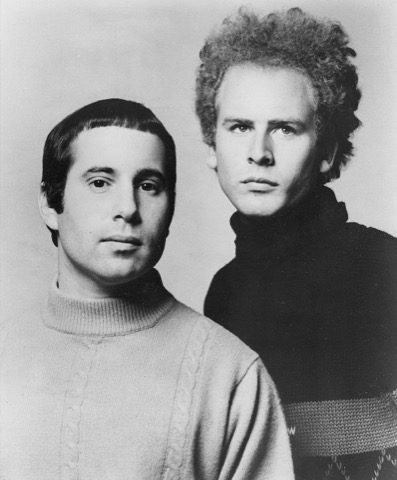 The story of Simon & GarfunkelSimon and Garfunkel were two boys from Queens, New York, who met in a school play in 1953 and became the most successful folk rock duo of the 1960s.
Hear Mrs. Robinson on the radio
Related songs
Hear the story before the song
Stationz is an AI radio DJ for YouTube. Play Mrs. Robinson in any playlist and your DJ introduces it with facts like these, then lets the music play.