Song story
You Should Be Dancing by Bee Gees
You Should Be Dancing is a 1976 song by Bee Gees, from the album Children of the World. Here are 7 checked facts about it, the same ones your Stationz DJ can tell before the song plays. Every fact comes from the sources listed at the end of the page.
Part of the story of Bee Gees · Researched by Stationz.fm
The facts behind You Should Be Dancing
Milestone
From the 1976 album Children of the World, it was the song that first took the Bee Gees into disco, and their only track to top the dance chart.
The people
Stephen Stills was at Criteria Studios recording Long May You Run with Neil Young, and added percussion during the February sessions. Members of his band also played with the Bee Gees.
In the studio
Keyboardist Blue Weaver recalled Maurice writing the bass line and singing horn parts to the brass section, while Barry sang parts for Weaver to play.
In the studio
Barry first sang nearly a whole song in falsetto on Baby As You Turn Away. In the ten months since, he developed it remarkably, and used it for the lead here.
On the charts
The song hit number one for a week on the Billboard Hot 100 and seven weeks on the Hot Dance Club Play chart, and reached number five in the UK.
Legacy
You Should Be Dancing is one of six Bee Gees songs on the Saturday Night Fever movie soundtrack, which came out a year later.
The lyrics
The verses celebrate a woman who likes disco music, and the chorus asks why you're lying around when you should be dancing.
Sources
- Wikipedia: You Should Be Dancing (text under CC BY-SA 4.0, facts rewritten by Stationz.fm)
- MusicBrainz: recording credits
More about Bee Gees
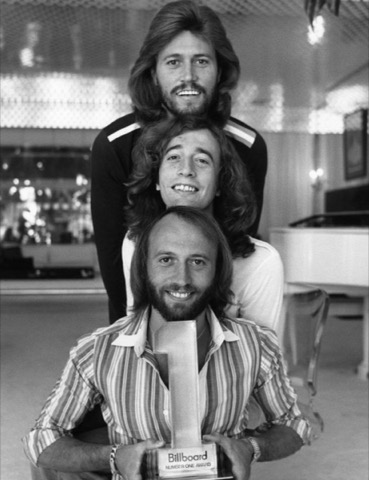 The story of Bee GeesThe Bee Gees were the brothers Barry, Robin and Maurice Gibb, born on the Isle of Man and raised in Manchester and Australia, famous for their three part harmonies and t…
Hear You Should Be Dancing on the radio
Related songs
Hear the story before the song
Stationz is an AI radio DJ for YouTube. Play You Should Be Dancing in any playlist and your DJ introduces it with facts like these, then lets the music play.